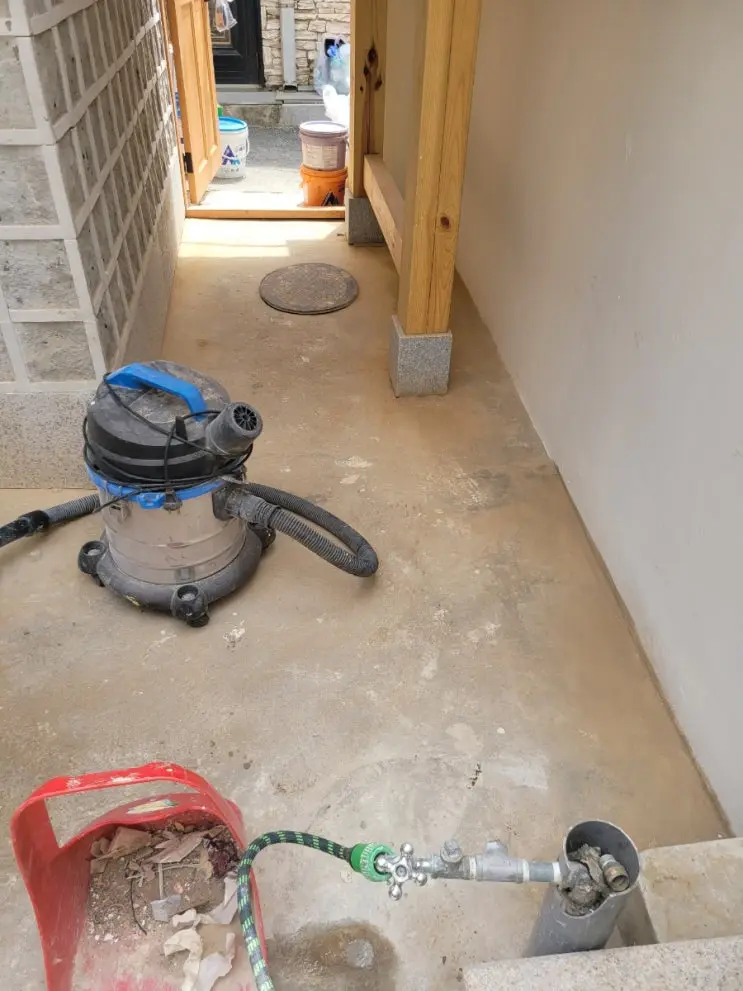
Philosophy Discomfort Is the Point: Why We Turned a 1956 Hanok Into a Stay
Anyone can offer a comfortable room. We rebuilt a 70-year-old hanok to offer something rarer: the slight, deliberate friction of traditional living, and the aliveness that comes with it. This is the philosophy behind Doiok.
Renovation We Rebuilt a 1956 Hanok in Seoul. Here Is Every Number We Wrote Down.
Real, receipt-level costs from a 128-day self-performed hanok renovation in Seoul: waste disposal, materials, hired labor, inspections. Every figure links to the daily log entry behind it, with honest notes on what we didn't record.
Staying Is a Hanok Stay Comfortable? An Honest Answer From People Who Insulated One by Hand
Hanok stays have a reputation: beautiful, cold, and hard on families. We rebuilt ours specifically to break that trade-off, then test-slept it with our own children before any guest arrived. Here's the honest comfort audit, hanok quirks included.
Neighborhood Jegi-dong: The Seoul Neighborhood Tourists Skip (and Shouldn't)
No hanok village crowds, no souvenir streets. Jegi-dong is where Seoul actually shops, cooks, and grows old, home to Gyeongdong Market and Korea's largest traditional medicine district. A local's guide by the brothers who rebuilt a hanok here.
Hanok Basics What Is a Hanok, Really? What 128 Days Inside One Taught Us
Everyone photographs hanok roofs. Almost nobody has taken one apart. We spent 128 days rebuilding a 1956 Seoul hanok with our own hands. This is what a hanok actually is, from the clay on its roof to the stone under its posts.
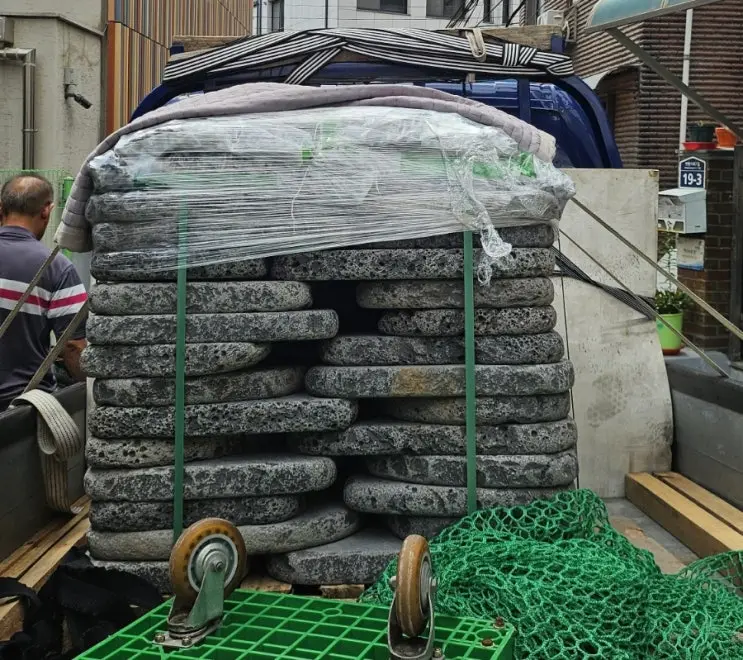 #80 Epilogue 1: The Operator's Masterclass
 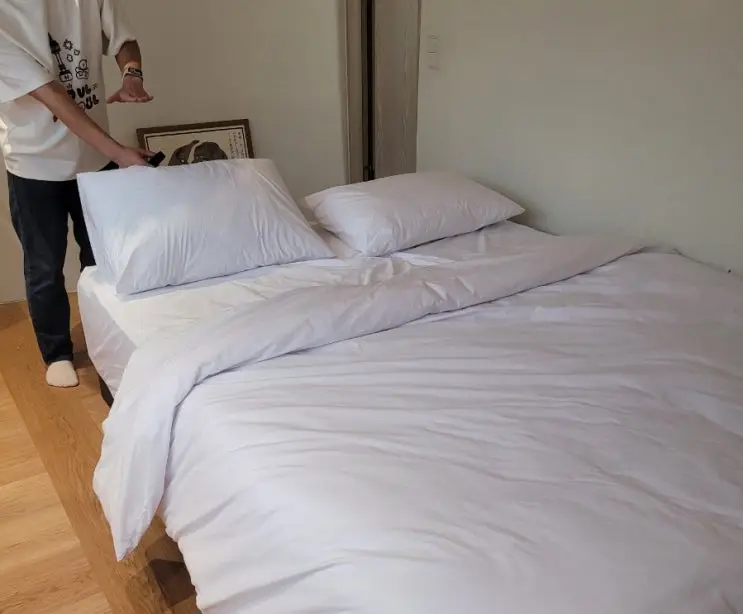 #79 The Last Gate: Passing the Electrical Safety Inspection
 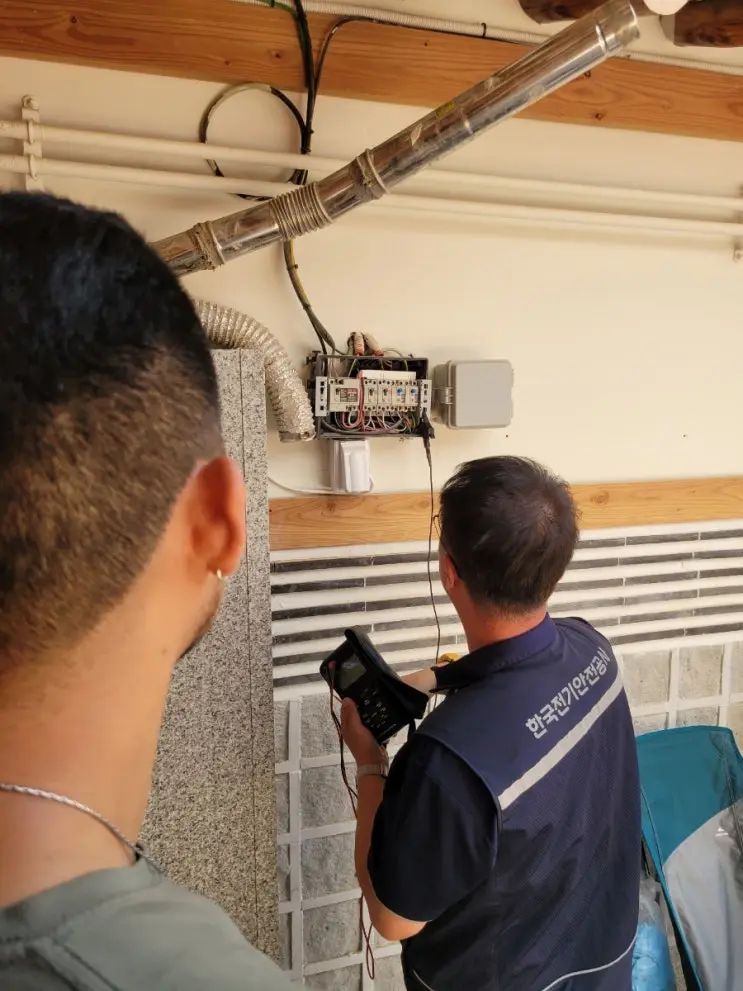 #78 Two Missing Rows: Closing the Wall Before the Inspectors Come
 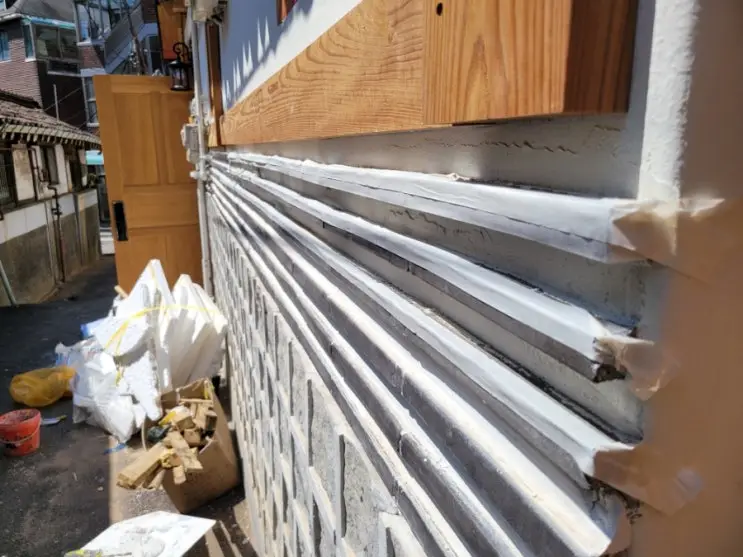 #77 Soft-Open Notes: Staining the Maru, Silencing the Door
 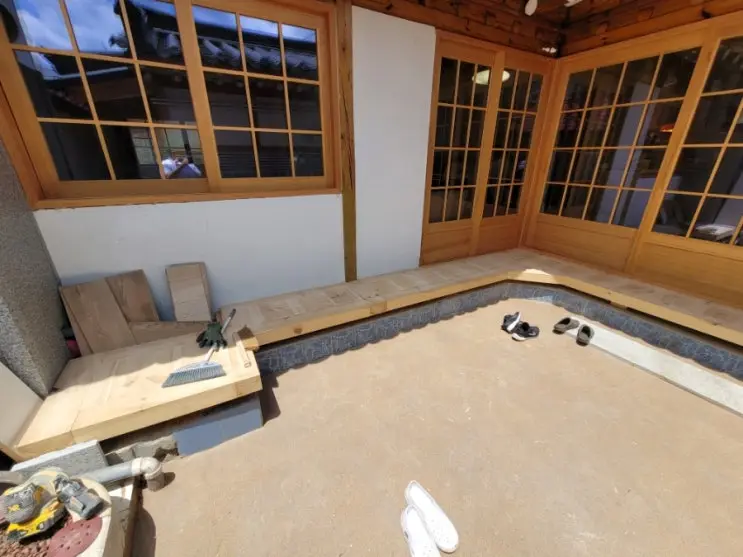 #76 Day 85: Painting the Courtyard Floor, Closing the Log